Fableqo
What Users Want Next: A Practical Guide to Laser Engraver Fume Extractors
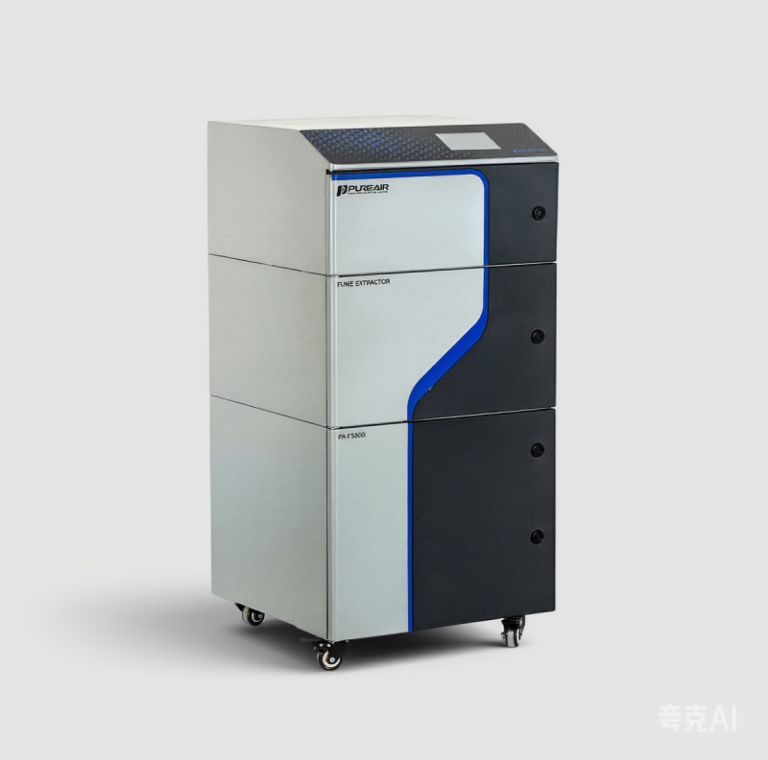
Introduction — a little shop story, some numbers, and a question
One afternoon in my small workshop I watched a sheet of acrylic curl and a fine smell creep up — nothing dramatic, but enough to make me think. I’ve used a laser engraver fume extractor for years in that same room, and I can tell you: the right setup changes your day. Recent studies show small fabrication shops report indoor air quality complaints in about 30–40% of cases where extraction is poor (yes, real numbers). So we ask: are our current systems truly solving the problem, or just masking it?
I say this as someone who has reset fans at midnight and swapped filters at dawn — I care about practical results. In plain terms: are we capturing particulate matter and VOCs where they form, or letting them linger until someone notices a cough? That question leads us into the real weaknesses beneath the shiny boxes. Now let me take you deeper — ja, we’ll get technical, but I promise to keep it grounded.
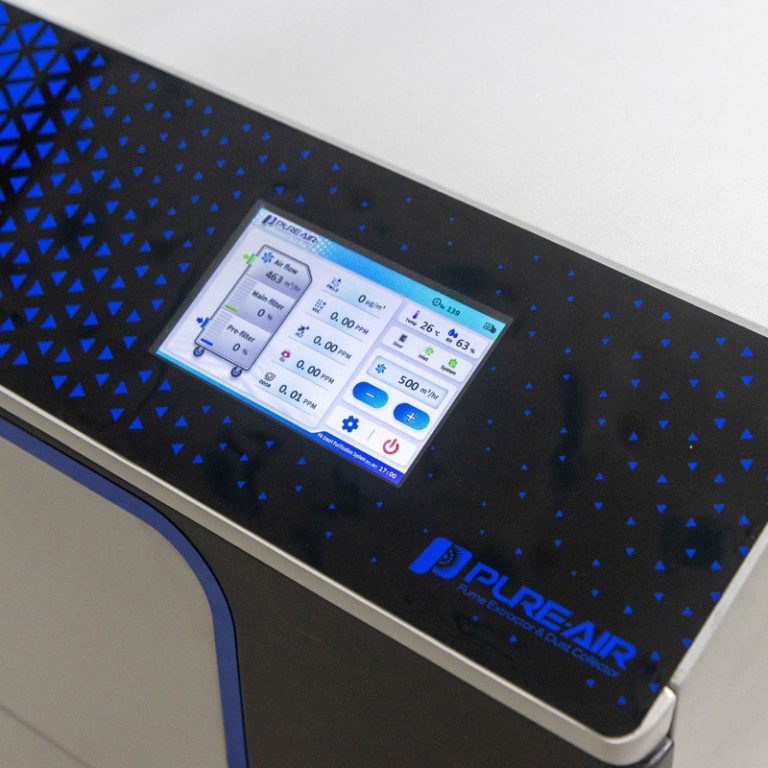 Part 2 — Where plastic fume extraction systems fall short
I want to focus on plastic fume extraction because that’s where most users hit a wall. Too many systems assume one-size-fits-all: a cheap extraction fan, a basic HEPA filter, and a hope. In reality, plastic fume extraction requires matched airflow rates, proper ductwork, and the right filtration media — activated carbon for VOCs, HEPA for particulates. Systems that ignore capture hood design or placement simply lose efficiency. Look, it’s simpler than you think: capture close to the source, maintain sealed joints, and monitor airflow.
Why does this happen?
Manufacturers often optimize for cost, not for real-world use. They size power converters and fans on paper, not in the sweaty shop where temperatures rise and fumes spread. Sensors like VOC sensors or particulate counters are optional add-ons, not standard. The result: underperforming systems that require constant human intervention. I’ve seen filters saturated within days because the extraction path had leaks, and — funny how that works, right? — nobody accounted for the additional heat load from the laser tube which changed airflow patterns.
Part 3 — Looking ahead: practical principles and a short roadmap
What if we apply a few new principles? First, treat plastic fume extraction as a systems problem: hood geometry, airflow rate, filter selection, and real-time monitoring (yes, edge computing nodes can help) must be designed together. Second, use basic diagnostics: smoke tests, simple anemometers, and periodic particulate sampling. Third, choose modules that are service-friendly — quick-change activated carbon cartridges and clear maintenance indicators. When shops adopt these steps, they often see lower downtime and fewer complaints.
What's next for everyday users?
In my view, the next wave will be modest improvements that matter: smarter airflow control, better sealing, and accessible maintenance data. Case examples: a small maker-space replaced a generic extraction fan with a variable-speed unit and a properly designed hood — PM2.5 levels dropped by half within a week. Another shop added a VOC sensor network and avoided premature filter saturation by adjusting duty cycles. These are small changes with real outcomes — I know because I’ve helped set them up twice (I like to tinker).
To choose a good system, here are three practical evaluation metrics I recommend: capture efficiency at the source (percent of fumes captured), sustained airflow rate under real load (not just rated), and total cost of ownership including filters and maintenance. Measure those, compare vendors, and you’ll avoid a lot of regret down the line. For reliable solutions and parts, I trust suppliers who back performance data with field results — like PURE-AIR.