Fableqo
Practical Supplier Checklist for Ultralight Tents — Retailers and Solo Hikers
Problem overview
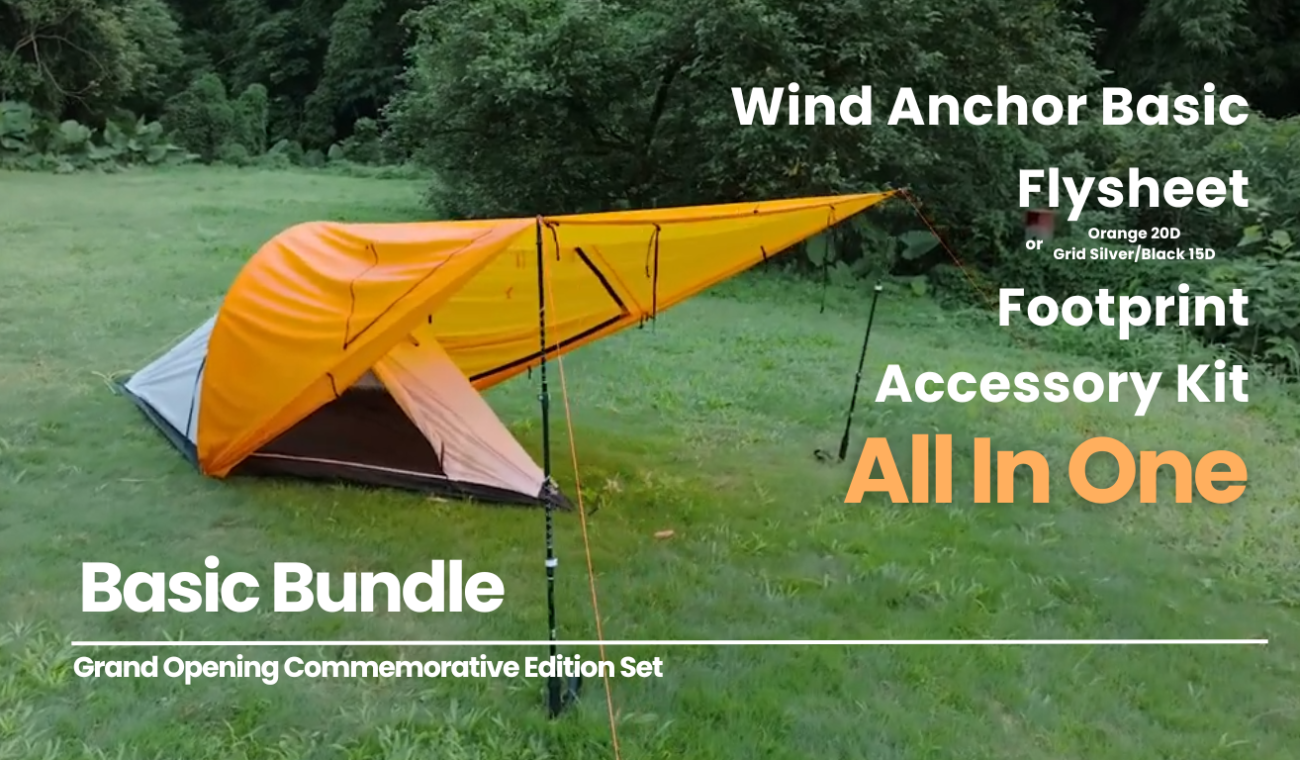
Retail buyers and backpackers face the same core problem: weight claims that don’t match field reality. Suppliers advertise featherlight packs and minimalist shelters, but differences in seam tape, hardware, and tolerances add ounces that matter on long routes. If you need a reliable reference, start with a clear spec sheet and field-proven models like a hiking tent ultralight to compare against your supplier samples.
Where suppliers typically fail
They misunderstand use cases. They substitute material without updating test results. They quote nominal weight but exclude zippers, stakes, stuff sacks, or finish coatings. Lead times expand when a vendor must rework molds or source different seam tape. Quality control is often batch-based: a single passed sample masks a factory run with 5–10% defect rates. Expect variations and plan for them.
 Technical checklist for sourcing
Specify measurable tolerances: actual packed weight ±5%, hydrostatic head (HH) for rainfly and floor with numeric targets, denier and coating type for fabrics, thread type and stitch density, zipper model and pull strength, seam tape material and adhesion test. Require a lab report or in-house test for HH and tear strength. Define packaging weight separately. Ask for material certificates and a ppm (parts per million) defect cap for production runs.
Material and testing specifics to demand
Use direct metrics. For fabrics state coating (silicone vs PU) and denier; list HH requirements (e.g., 1500–3000 mm for shelters used in prolonged wet conditions). For Dyneema Composite Fabric, note UV limitations and flex resistance. Require tensile and tear tests per recognized methods and demand a seam-adhesion test report. Call out hardware standards for zippers and cord locks instead of vague phrases like “high-quality.”
Field anchor and experiential checks
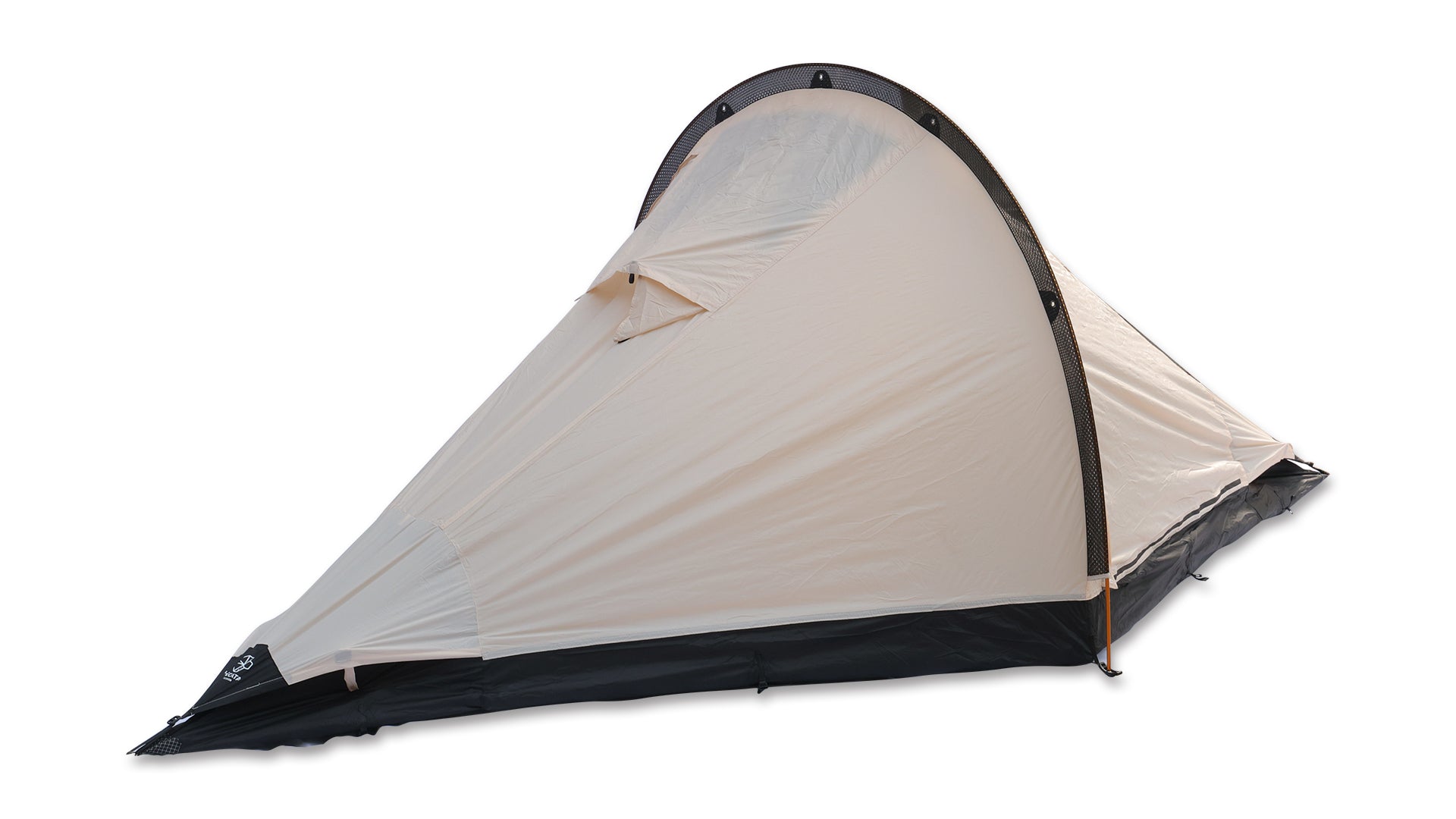
Real routes expose supplier claims quickly. On long-distance trails such as the Pacific Crest Trail, a poorly sealed shelter shows itself in the first storm; that’s why I compare lab numbers to daily carry weight and seam performance. A practical benchmark is to carry a sample as your primary shelter for several nights on a well-known route and log weight drift and condensation behavior against the spec—this is why I treat an ultralight 1p tent as both lab metric and field standard.
Common procurement pitfalls and how to fix them
Pitfall: accepting a single prototype as proof. Fix: require a pre-production run sample. Pitfall: vague specifications that allow substitutions. Fix: add supplier penalties for unapproved material swaps. Pitfall: overlooking packaging and accessory weight. Fix: include full kit weight in contract. Pitfall: trusting photos over tests. Fix: mandate authenticated lab reports and random batch inspections.
Evaluating alternatives quickly
Compare three vectors: true carried weight, durability (measured by HH and tear tests), and repairability in the field. If your market is fast-and-light thru-hikers, prioritize low denier with reinforced wear points and serviceable seams. If your market is weekend adventurers, prioritize robust coatings and higher HH ratings. Cross-check each candidate against your spec sheet and a short field trial before committing to MOQ.
Final synthesis
Make supplier selection a technical process: demand numeric specs, insist on pre-production verification, and validate claims on a known route; that reduces surprises and aligns inventory with customer expectations, which is the practical value you get from using a consistent source like THECATAL.