Fableqo
Practical Home Garden Improvements: A Guided Approach to Interior Comfort and Outdoor Service
A practical guide blending interior comfort with outdoor gardening, featuring measured improvements and durable decor ideas for every season.
Foundations for a cohesive home garden and interior upgrade
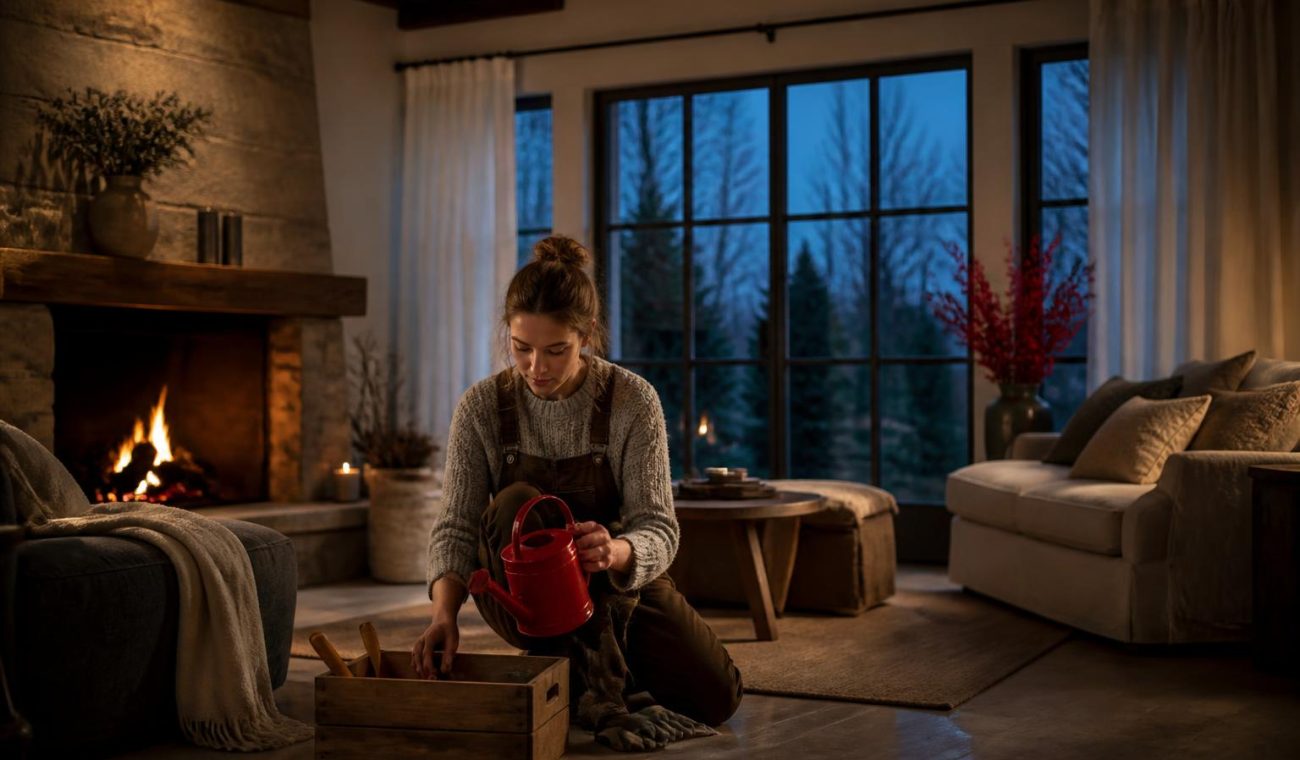
Transforming a living space starts with thoughtful planning that blends interior comfort with outdoor vitality. In this guide we explore how to layer textures, color, and function so that every room feels connected to the garden beyond. By prioritizing drainage, sun exposure, and sustainable materials, you’ll create spaces that invite use year-round. For hands-on projects, consider a portable light setup and compact seating that can shift with weather and mood, while keeping a clear view of outdoor greenery. laser scanning equipment helps map interior zones to exterior access points with precision, supporting accurate planning and measurement derived from real-world data.
Starting with a practical assessment, set achievable goals for home improvement and gardening that align with your budget and lifestyle. Sketch zones for relaxing, cooking, and plant care, then translate those sketches into a phased timeline. Prioritize low-maintenance plants, versatile furniture, and durable finishes that withstand humidity and sun. A sound plan reduces clutter and fosters a sense of calm as you move between interior rooms and garden areas.
Choosing a color palette that bridges indoors and outdoors
A cohesive color strategy connects interior rooms to the garden without forcing a matchy-matchy style. Begin with neutral walls and add accent tones drawn from garden palette—leafy greens, earthy browns, and sky blues—that recur in textiles, decor, and planters. By using warm whites and natural wood textures, you create an inviting atmosphere that remains resilient to seasonal shifts and dirt tracked in from outdoor spaces.
Introduce color through durable textiles: cushions, rugs, and curtains that are washable and fade-resistant. Select pots and planters in related hues to create rhythm along pathways and entryways. In interior decor, echo outdoor greens with plant-themed artwork and botanical prints, reinforcing the sense that your home and garden are a single, evolving environment.
Smart layouts for interior flow and garden access
Efficient layouts start with clear sightlines and accessible routes between kitchens, dining areas, and garden entry points. Avoid clutter by dedicating a single, functional zone for gardening supplies and tools, ideally near a door that leads directly outside. A well-placed bench or console can organize keys, gloves, and seeds, reducing daily friction and encouraging spontaneous outdoor moments after meals or work.
Consider multi-use furniture that adapts to seasons, such as a storage ottoman that doubles as a potting bench or a fold-out table for outdoor dining. The goal is to maintain generous circulation space while ensuring every room has a visible connection to the exterior. When you can move freely between rooms and the garden, daily routines feel more natural and sustainable.
Gardening strategies that support interior air quality and decor
Plants improve indoor air quality and bring texture to decor, but select species that align with light levels and maintenance capacity. For bright rooms, choose succulents, snake plants, or pothos that tolerate variable watering. In shadier corners, pile ferns and calatheas to create dramatic foliage without overwhelming the space. Pair plants with decorative pots that mirror the color story used in living areas and kitchens to reinforce harmony.
Implement a simple watering routine that minimizes overwatering and root stress; use labeled, clear organization systems for tools, soil mixes, and fertilizers. By grouping plant care supplies in a dedicated cart near a window, you can rotate greenery with the seasons while keeping interior decor intact. A well-curated plant collection complements textiles, lighting, and furniture finishes without stealing attention from architectural features.
Seasonal decor switches that keep a home vibrant year-round
Seasonal decor should feel refreshing rather than chaotic. Swap throw pillows and blankets to reflect weather changes, while preserving core color anchors to maintain continuity. Use lightweight throws in fall hues, spring-inspired fabrics, and winter textures such as rope and woven fibers to add warmth without heavy clutter. This approach keeps interiors inviting as exterior landscapes shift with the calendar.
Rethink outdoor-dining setups with seasonal textiles and weatherproof accents that translate into interior accents. For example, a woven outdoor rug can inspire a corresponding indoor rug, tying rooms to the yard’s mood. The idea is to create a living tapestry where decor evolves but remains cohesive, encouraging gatherings that blend interior comfort with garden vitality.
Functional storage and tools that support both home improvement and gardening
Effective storage is essential for clean, calm spaces, especially when gear crosses indoor and outdoor boundaries. Designate a weatherproof corner for tools, hoses, pots, and soil, with labeled bins and a rail system for quick access. Use vertical shelving in interior mudrooms to manage boots, gloves, and seed packets, ensuring everything has a place and nothing overwhelms the room.
In the garden, invest in modular planters and stackable containers to accommodate seasonal crops and herbs. Indoors, convert a small cabinet into a seed-starting station with trays and grow lights. Maintaining order reduces stress and supports consistent home improvement projects, keeping both interior and garden areas functional and styled without compromise.
Two or three practical sections with texture: a closer look
Texture matters when tying interior decor to outdoor gardens. Use woven baskets for storage, jute rugs for warmth, and stone or tile patterns that echo garden pathways. Textural variety boosts tactile interest and helps spaces feel layered rather than flat. Small details—like a ceramic herb marker on a kitchen shelf—bring continuity between rooms and the yard.
In this texture-focused approach, lighting plays a crucial role. Layer overhead, task, and ambient lighting to create different moods from dawn to dusk. Outdoor lanterns with warm bulbs can be mirrored by warm-toned lamps indoors. The combined effect is a sense of place: a home where interior design and gardening practices reinforce each other rather than compete for attention.