Fableqo
Small Shifts, Big Gains: A Comparative Guide for Red Light Therapy Manufacturers
Introduction — a kitchen test for tech
I’ve stood over workbenches like a cook tasting a soup: nudging an LED here, tweaking a driver there. As a red light therapy manufacturer I watch small changes ripple into real outcomes—patient comfort, clinic repeat visits, product returns. Demand has climbed into double digits yearly, and many teams tell me that a few percentage points of efficiency or better wavelength stability made or broke their product launch (yes, the tiny things matter). So what exact tweaks should a maker prioritize when every dollar and millimeter count?
I’ll walk you through a chef’s view of component choices, testing, and trade-offs. Think of this as a recipe: start simple, measure often, then adjust. Along the way I’ll use practical terms—LED arrays, power converters, irradiance—to keep the talk grounded. Ready to move from guesswork to repeatable craft? Let’s peel back the layers and see what really changes outcomes.
Why conventional approaches fall short
What’s the core technical gap?
I link the problem directly to red light therapy manufacture choices early in development. Too many teams rely on generic LED modules and off-the-shelf drivers without tuning for wavelength drift or thermal load. The result: inconsistent irradiance and uneven treatment zones. That matters because patients and clinics notice variance quickly—treatment times stretch, results become unpredictable, and trust fades.
Technically, the thorn is often thermal management and poor wavelength calibration. If you don’t pair the LED arrays with adequate heat sinks and smart power converters, the spectrum shifts as the unit heats. Look, it’s simpler than you think: control the heat and control the light. But doing that at scale means designing for real-world duty cycles, not ideal lab runs—funny how that works, right?
 Forward-looking principles for product leaders
What’s next for better devices?
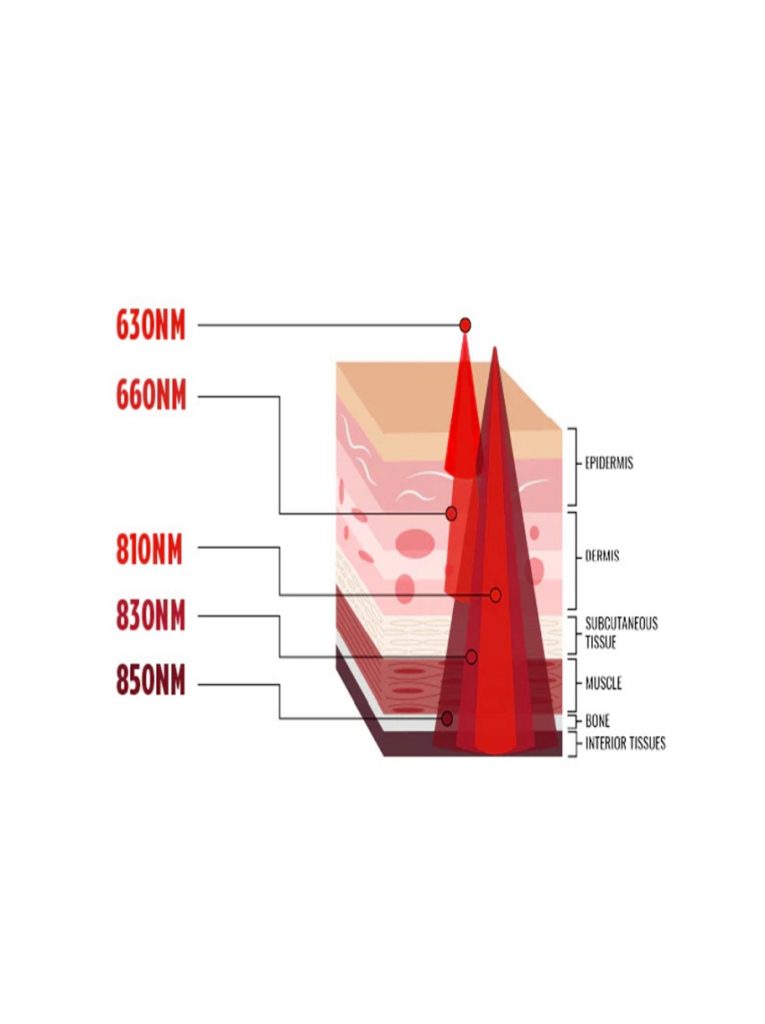
Now I shift from diagnosis to principle. For a forward-looking red light therapy manufacture, prioritize spectral consistency, thermal resilience, and system-level telemetry. In practice that means selecting LED arrays with narrow binning, integrating efficient heat sinks and power converters, and adding simple sensors to log temperature and output. These steps reduce rework and improve user confidence. Wait — and add calibration routines at assembly. Small automated checks cut field failures dramatically.
Here are three practical metrics I use when I evaluate options: 1) Spectral accuracy: tolerance in peak wavelength (nm) over operational temperature; 2) Thermal stability: delta in irradiance after 30 minutes of continuous use; 3) System scalability: ease of swapping LED modules and integrating edge computing nodes for remote monitoring. Use these to compare suppliers and designs. In short: measure what matters, and design for the real world — not the lab bench.
To wrap up, I’ve found that incremental engineering—tighter wavelength control, better thermal paths, and modest telemetry—yields outsized returns in reliability and user trust. I prefer practical fixes over flashy features, and I’ve seen teams win by focusing on these three metrics. For manufacturers exploring partnerships or product upgrades, consider producers who understand these trade-offs. For me, that’s why I often point colleagues toward partners who balance component quality with system thinking — like Magique Power.